
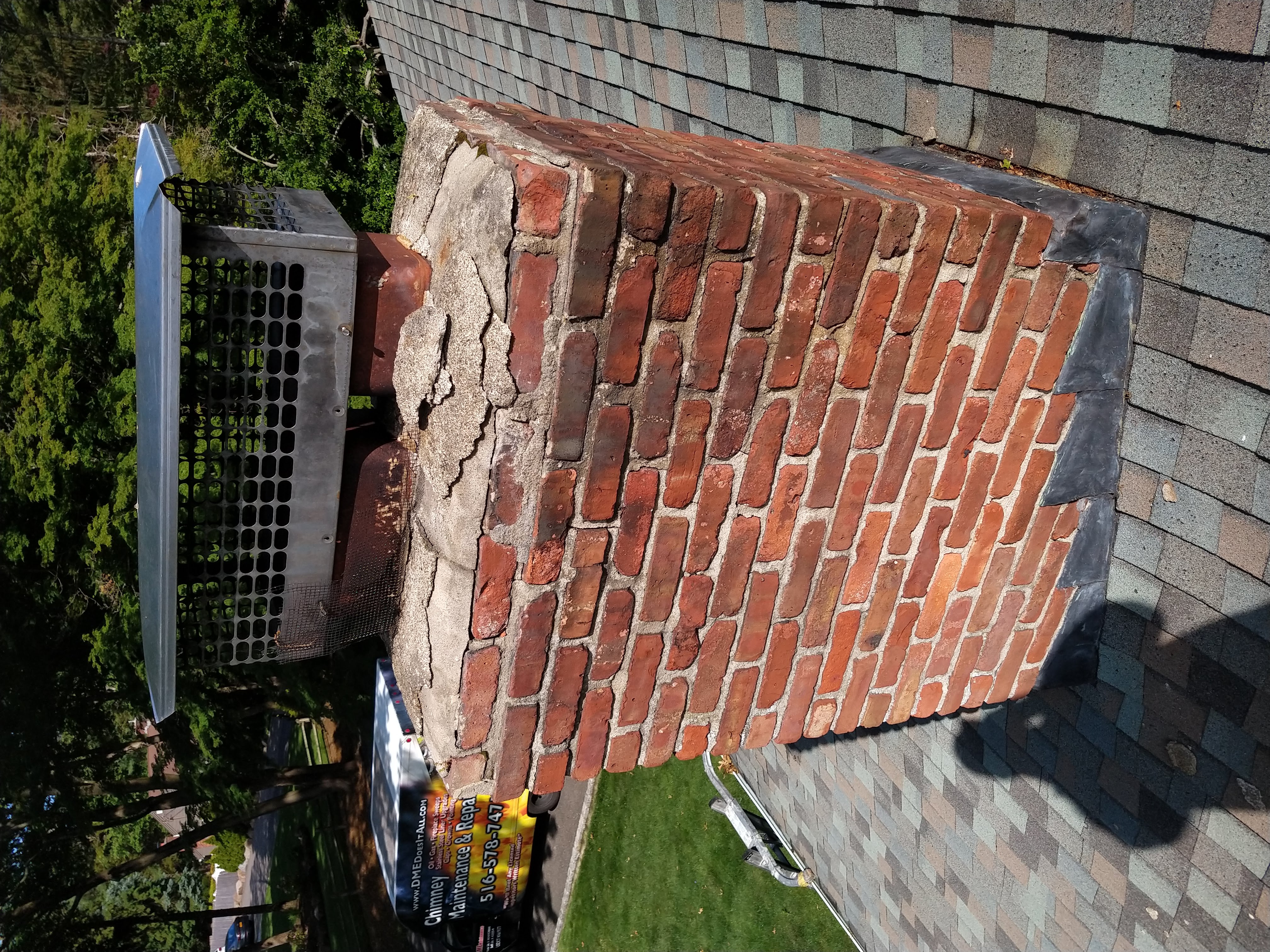
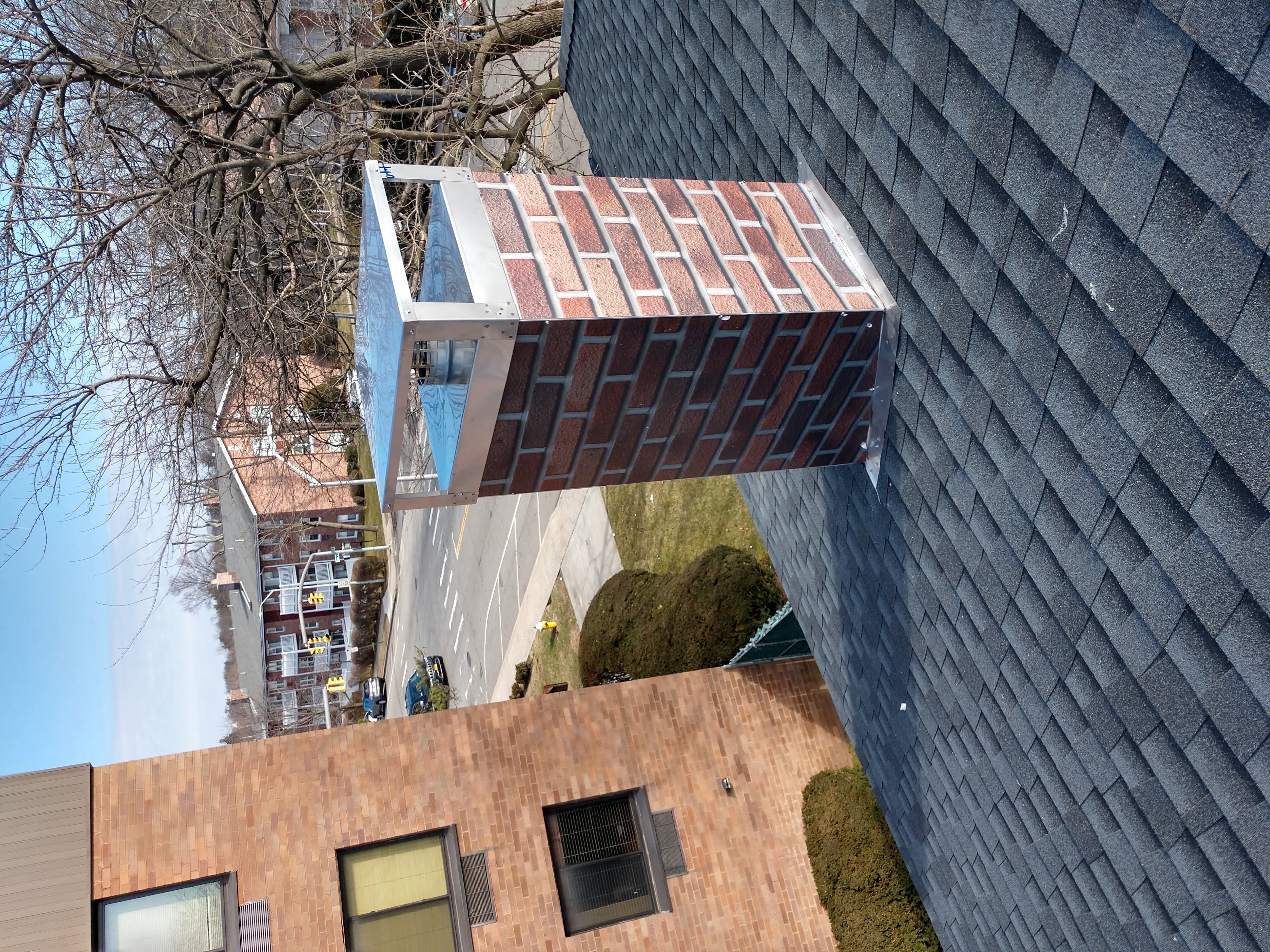
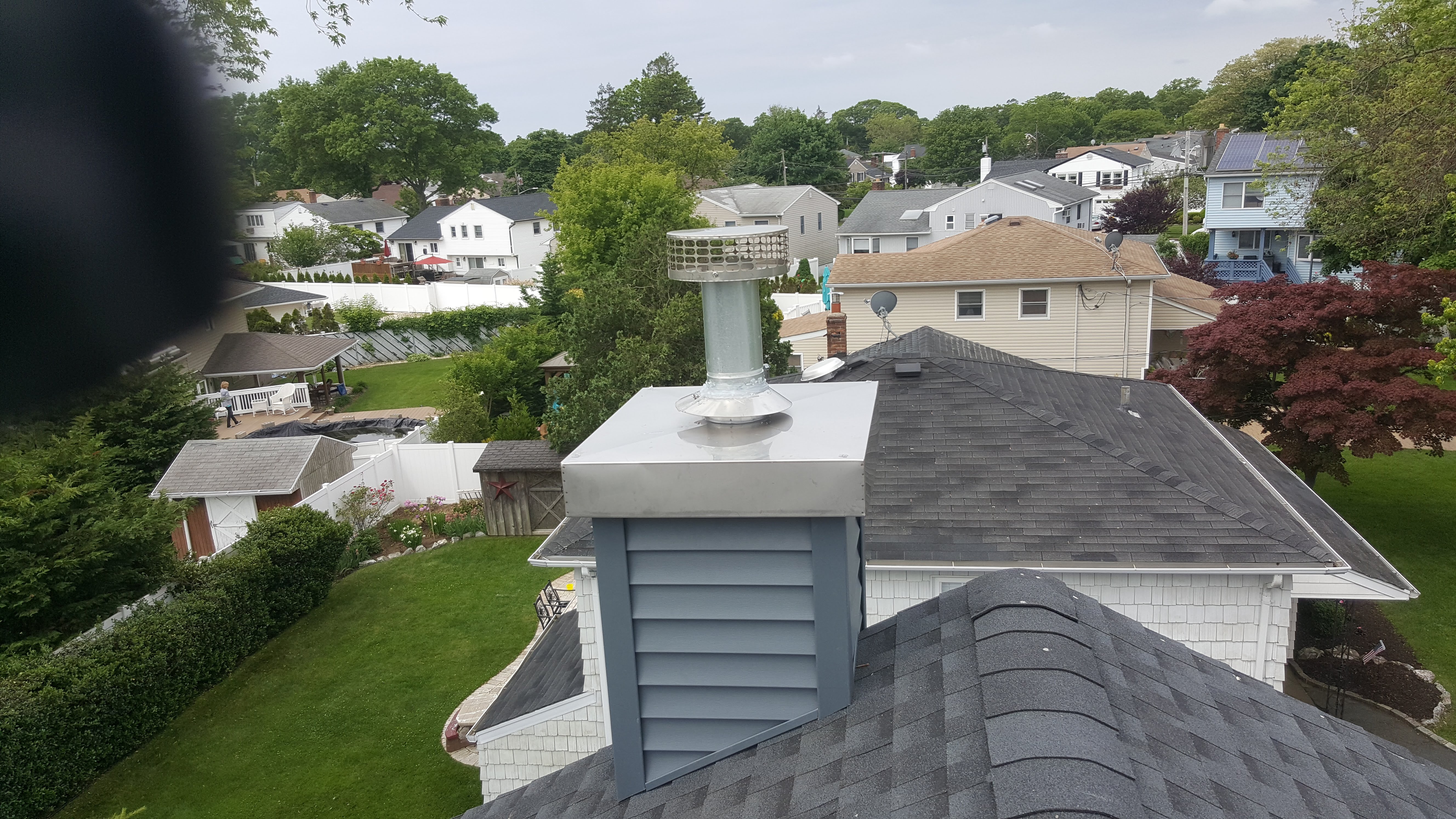
Your chimney crown sits at the very top of your chimney stack, exposed to every storm, freeze-thaw cycle, and seasonal weather change on Long Island. It's a sloped concrete or mortar cap that wraps around the flue opening and directs rain outward and downward, away from the interior of your chimney system. When this crown fails, water doesn't just sit there. It seeps down into the masonry, into the flue, and eventually into your home. Many homes in Manhasset were built in the 1960s and 1970s, when chimney crowns were often installed with inferior materials or inadequate slope. If your home is one of them, your crown is likely past its prime and vulnerable to failure before the rainy season and winter weather arrive.
The problem with a cracked or deteriorating crown becomes obvious during wet weather. Water enters through fractures in the concrete, bypassing your entire chimney system's defenses. Small cracks might seem minor, but on Long Island, where salt air from Long Island Sound combines with repeated freeze-thaw cycles, those cracks expand rapidly. Ice forms inside the masonry joints, pushing mortar outward. Come spring, the thaw leaves gaps and weakened structure behind. Manhasset homeowners who wait until water damage appears inside their home have already allowed weeks or months of interior moisture accumulation. By then, the costs extend far beyond crown repair into chimney rebuilding, interior water remediation, and potential mold concerns.
Many Manhasset residents heat their homes with oil heat systems, and those systems rely on chimneys to safely vent combustion byproducts and moisture. A failing crown doesn't just allow rainwater inside. It also allows interior chimney moisture to condense and pool at the base of the flue. Over time, this creates an environment where chimney deterioration accelerates. Brick and mortar absorb moisture like a sponge. Freeze-thaw cycles then work like a hammer, cracking and spalling the masonry. A crown repair now prevents a cascade of damage that could eventually require full chimney reconstruction, a far more involved undertaking.
At DME Maintenance, we've served Manhasset and Nassau County, NY since 2001, and chimney crown failure is one of the most common issues we see during late summer and early fall inspections. We look for visible cracks, areas where the crown has separated from the chimney walls, and spots where concrete has begun to spall or crumble. We also assess slope and overhang. A crown that slopes too gradually won't shed water effectively. A crown without adequate overhang allows water to run back toward the masonry instead of draining clear. Homes in Manhasset with crowns installed decades ago often lack the overhang modern standards recommend, making them especially prone to water entry problems.
Repairing a crown depends on the extent of damage. Small cracks can sometimes be sealed with specialized mortar products designed to remain flexible and prevent water penetration. Larger cracks, widespread spalling, or structural separation typically require crown removal and rebuilding. We remove the damaged crown carefully, clean and prepare the chimney top, and rebuild using quality concrete that provides durability against Nassau County, NY's coastal climate. Proper slope and adequate overhang are built in from the start. The result is a crown that actively protects your chimney for decades, not one that fails again in five years.
The timing of crown repair matters significantly for Manhasset homeowners. Late summer and early fall are ideal. You address the problem before autumn rains and winter arrive, which means you're not dealing with active weather during the work. You're not exposing interior flue surfaces during repair when rain could fall unexpectedly. More importantly, a repaired crown goes into the rainy season fully functional, providing complete protection when your home needs it most. Waiting until November or December means facing winter with a known vulnerability. Spring repairs, while possible, mean months of water intrusion risk during the season when wet weather is most frequent on Long Island.
Proper crown maintenance also includes annual inspection and minor upkeep. Small cracks caught early don't become structural failures. Debris accumulation—leaves, nesting material, soot—should be cleared to prevent water pooling. Overhanging tree branches near your chimney can accelerate crown damage by holding moisture against the concrete and dropping organic material that promotes deterioration. Manhasset homeowners with mature trees around their homes should be especially mindful. A quick fall cleaning and inspection often reveals crown conditions before winter stress exacerbates them.
DME Maintenance serves every street in Manhasset. We have been cleaning chimneys on Long Island long enough to know exactly what local homes need — from older clay-lined flues in pre-war houses to modern stainless steel liner systems in newer construction.
The difference between a proactive approach and reactive repair is significant. Homeowners who have their crowns inspected regularly catch problems when solutions are straightforward and affordable. Those who ignore signs of damage until water appears in their home face far more extensive work. A cracked crown might mean one repair visit. A chimney with moisture damage, deteriorating interior flue surfaces, and compromised masonry means multiple visits and considerably more involved restoration. For Manhasset residents who heat with oil and rely on their chimneys year-round, a sound crown isn't optional—it's foundational to the entire system's longevity.
DME Maintenance is ready to inspect your chimney crown and address any damage before winter weather arrives. Call us at 516-690-7471 to schedule an appointment. We serve Manhasset, Manhasset area residents, and throughout Nassau County, NY. The best time to address crown problems is now, before rainy season and winter stress your system. Don't wait until water damage forces emergency repairs or creates interior problems. A healthy crown is an investment that protects your entire chimney system and your home for years to come.